psychology
Hair transplant and self-esteem: what is known about the effect on mind and expectations
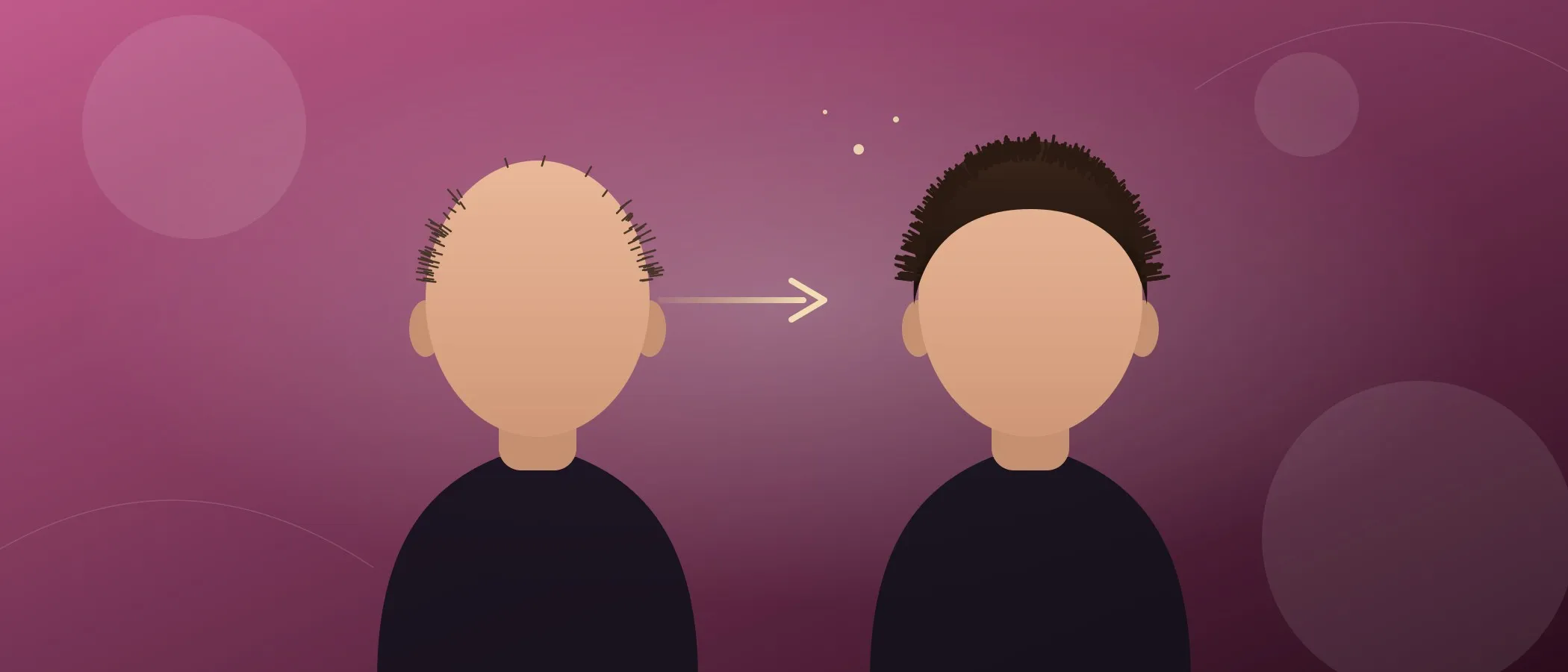
Hair loss is not only about looks. For many people it is about confidence, socializing and mood. So people ask: does a transplant really raise self-esteem and change life? The literature answers cautiously: usually yes, but not for everyone and not automatically.
Below is what PubMed publications show: the data come mainly from small studies, and well-being scores are subjective.
What a review says about psychological aspects
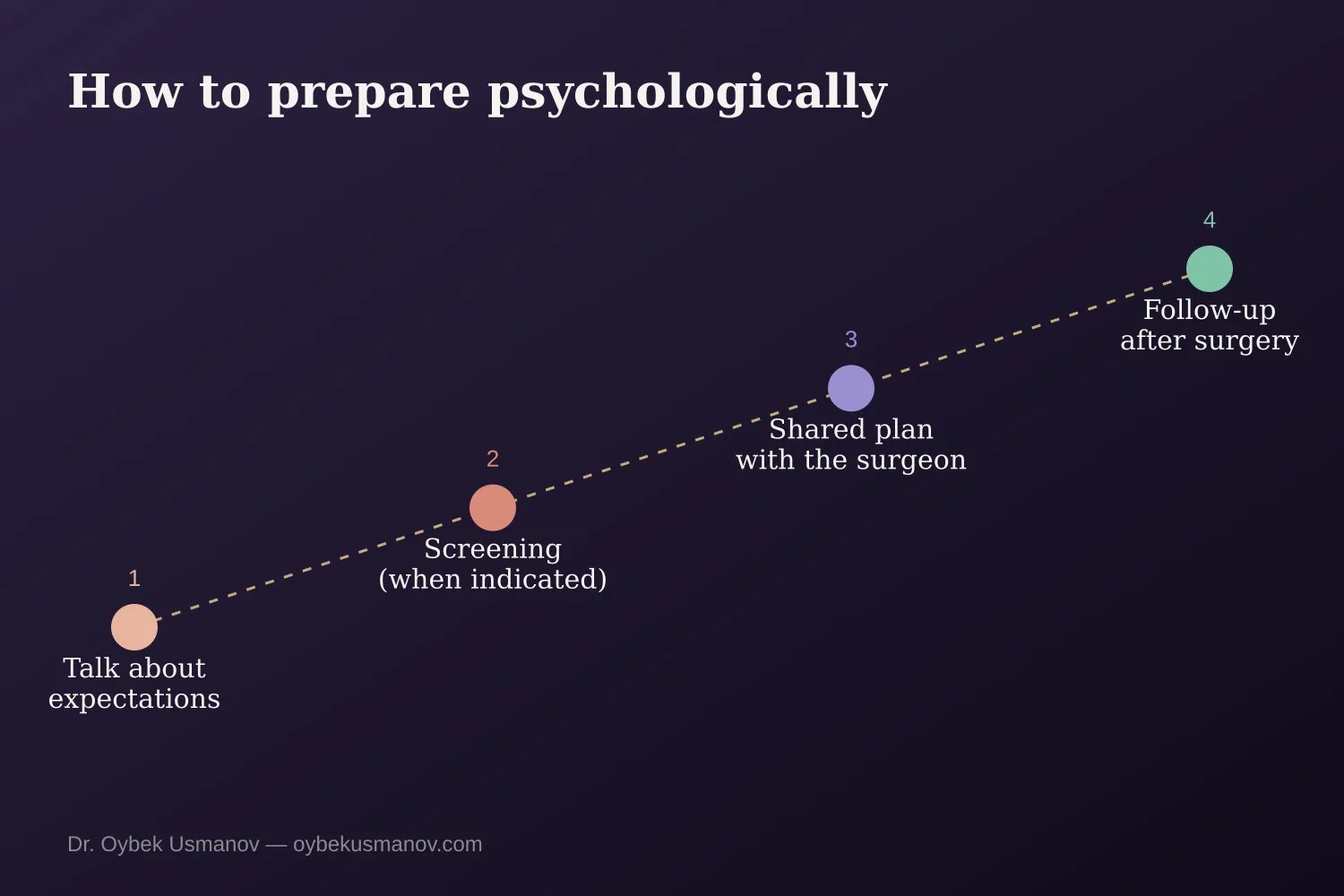
A narrative review notes that hair loss is tied to significant psychological distress and may worsen depression, anxiety and social withdrawal. When patient expectations are well managed and psychological risk factors are considered, a transplant can improve self-esteem, confidence and emotional well-being; with inadequate screening or poor patient selection, dissatisfaction and even worse mental health are possible. The authors recommend including psychological assessment in the preoperative work-up, naming the BDDQ (for body dysmorphic disorder) and the Beck Depression Inventory as tools to identify high-risk individuals (Tan, Jafferany, Journal of Cosmetic Dermatology, 2025, doi:10.1111/jocd.70475).
This does not mean everyone needs a psychologist. But if you notice that appearance fills your thoughts far more than the actual change, it is worth discussing with your surgeon.
What before-and-after measurements show
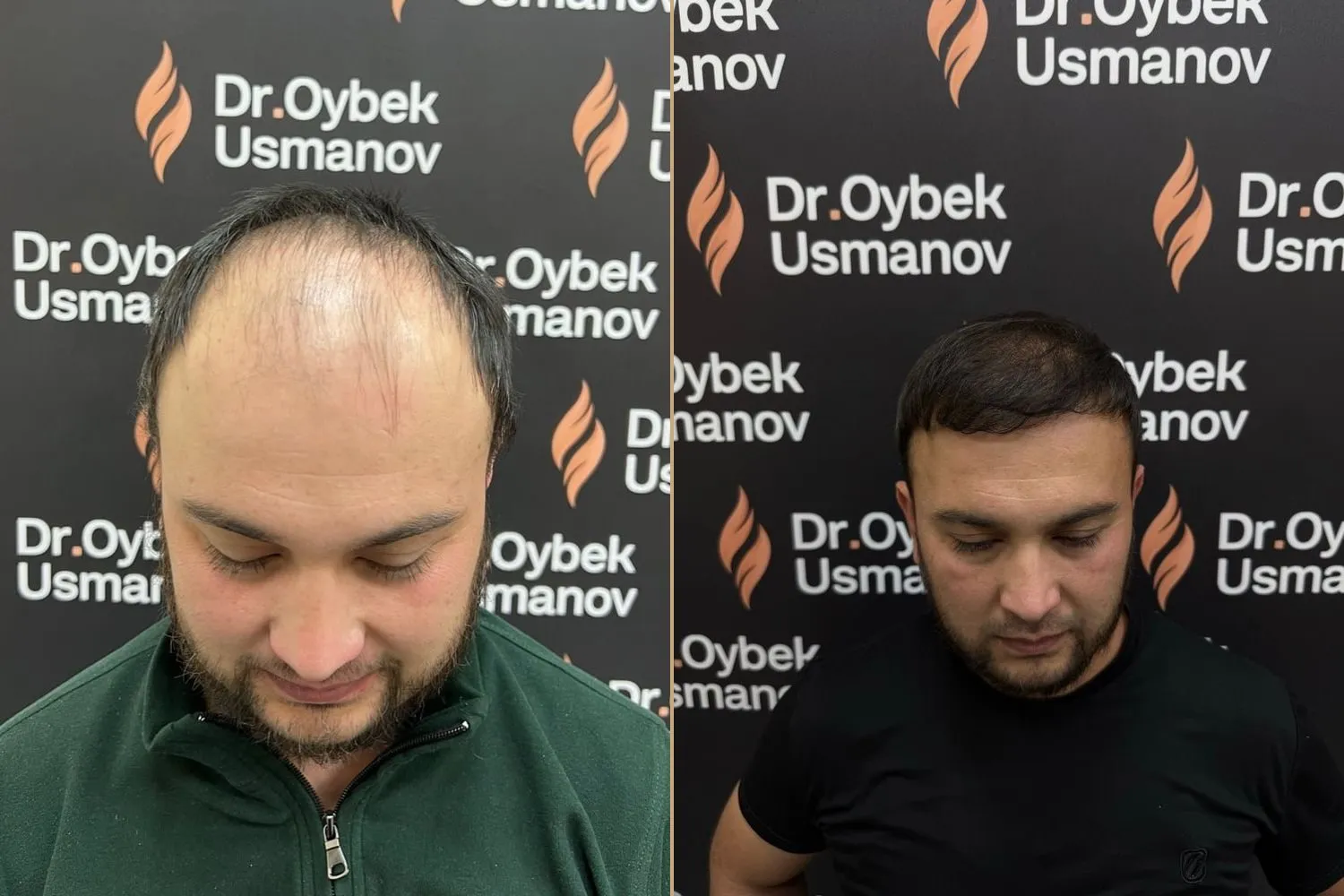
In a retrospective study of 1,106 men with androgenetic alopecia (875 of whom completed a questionnaire 9 months after surgery), Rosenberg self-esteem rose by 1.56 points on average and satisfaction with appearance on the Face-Q by 30.25 points. Patients with initially low self-esteem tended to be less satisfied: the authors advise considering the psychological state at consultation (Liu et al., Journal of Cosmetic Dermatology, 2018, doi:10.1111/jocd.12839).
In a small study of 35 men in Iran, quality of life by DLQI and Rosenberg self-esteem improved significantly after transplant (Nilforoushzadeh et al., Journal of Cosmetic Dermatology, 2023, doi:10.1111/jocd.15716). In a series of 248 patients with hairline restoration, scores of physical, psychological, social and material function at 9 months were higher than before surgery, and mean satisfaction was 4.7 of 5 (Jin et al., Journal of Cosmetic Dermatology, 2024, doi:10.1111/jocd.16136).
How to set realistic expectations
- Discuss with your surgeon what you expect: “like at 20” and “somewhat thicker” are different goals, and an honest surgeon will explain what is realistic.
- Remember results appear gradually: the first months do not look better, and sometimes look worse.
- If hair loss strongly affects your mood, sleep or social life, tell your surgeon: help from a mental-health professional may be useful.
- If you are troubled mostly by small “flaws” others do not notice, discuss it with your surgeon: that group is named in the review as needing screening.
- Do not decide under pressure and do not compare yourself only with advertising photos.
What we do
Send photos of your head on WhatsApp and tell us what you expect from surgery: the surgeon will explain what is realistic and help you reach a balanced decision.
This article is general information and does not replace a consultation. It is not medical or psychological care.