
What affects the price of a hair transplant and what the cost includes
What makes up the cost of a hair transplant: size of the operation, time, complexity and package. Which figures our clinic gives and what to ask to avoid surprises.
journal
How surgery and recovery work, what is normal, and everything around it: where to go, who organizes the trip, and why Uzbekistan.
Price, who holds the instrument, wait times, flights, and language — point by point, no marketing. Including where Turkey is objectively stronger.
Read the comparison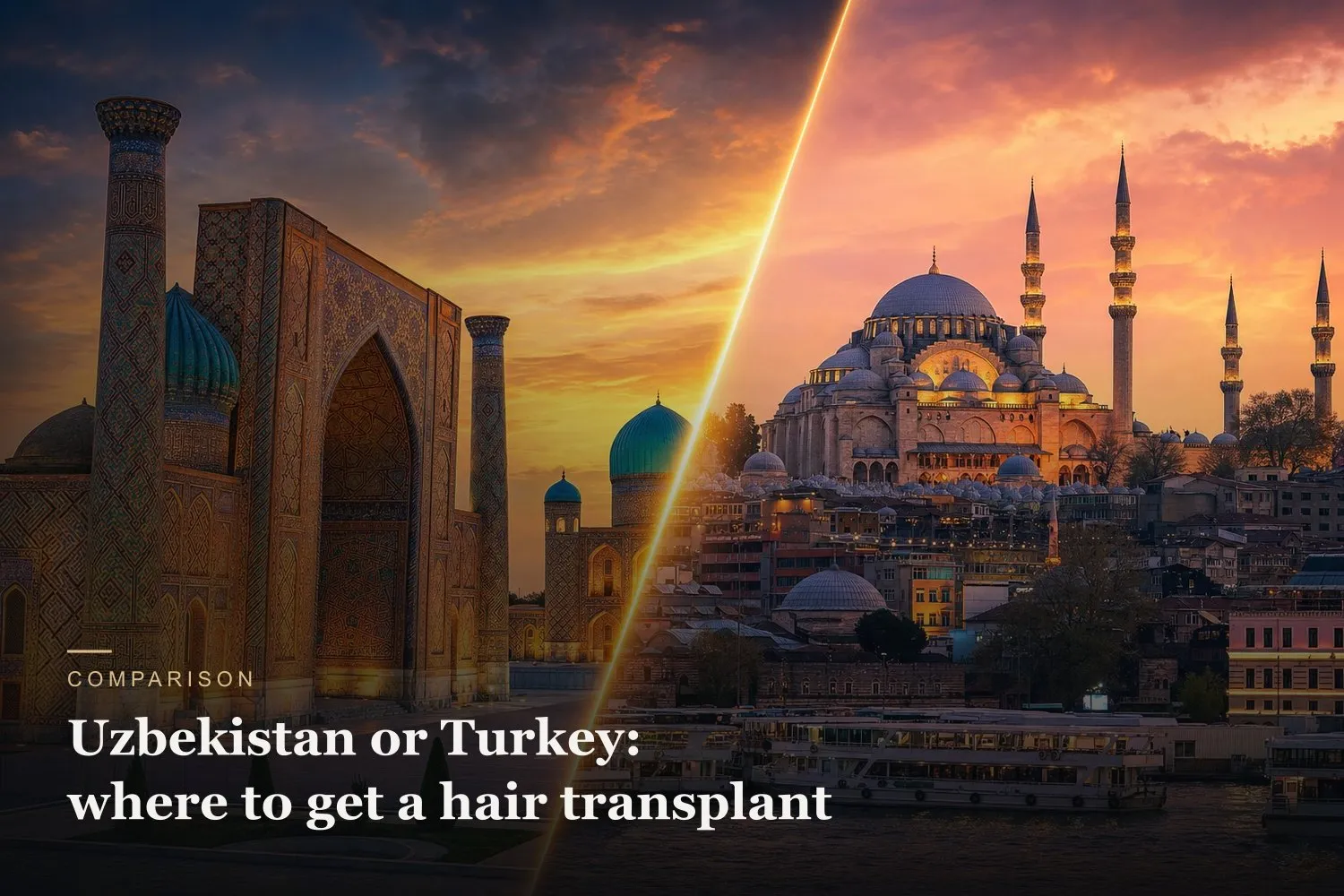
What makes up the cost of a hair transplant: size of the operation, time, complexity and package. Which figures our clinic gives and what to ask to avoid surprises.
Does a hair transplant affect self-esteem and quality of life, who needs psychological assessment before surgery and how to set realistic expectations.
Can hair be planted as densely as possible: what is known about implantation density, survival and complications, and why there is no universal number.
How scalp micropigmentation (SMP) differs from a hair transplant, at what hair density the decision tips one way or the other and what the risks of SMP are.
Can hair be transplanted without shaving the back of the head: how “no-shave” differs from long-hair FUE, what studies show and where the limits are.
When the scalp lacks donor hair, hair is sometimes taken from the beard, chest or abdomen. What is known about such transplants and what the limits are.
Can hair be transplanted onto scars and in scarring alopecia: graft survival data, the role of disease “quiescence” and why results may decline over time.
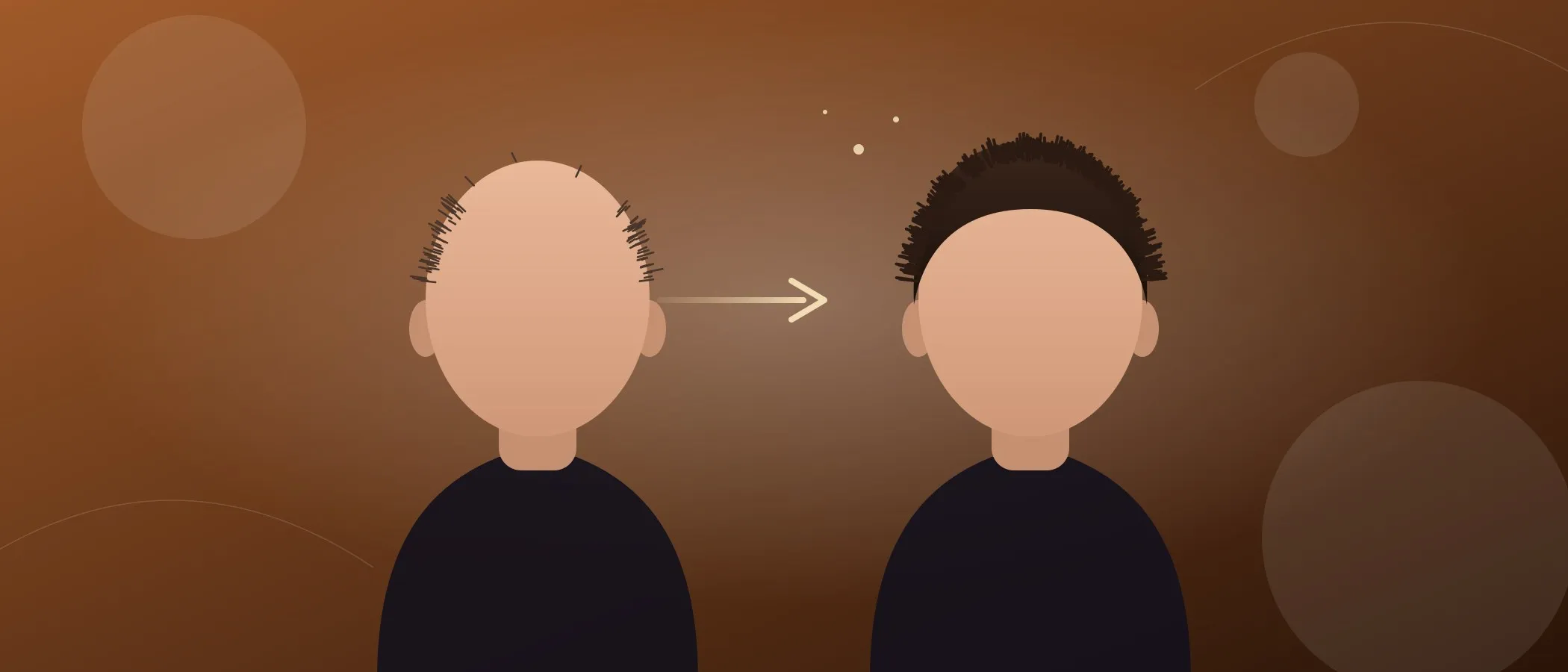
How to sleep after a hair transplant: common clinic advice, why swelling is the most common issue and what the literature says about head position.
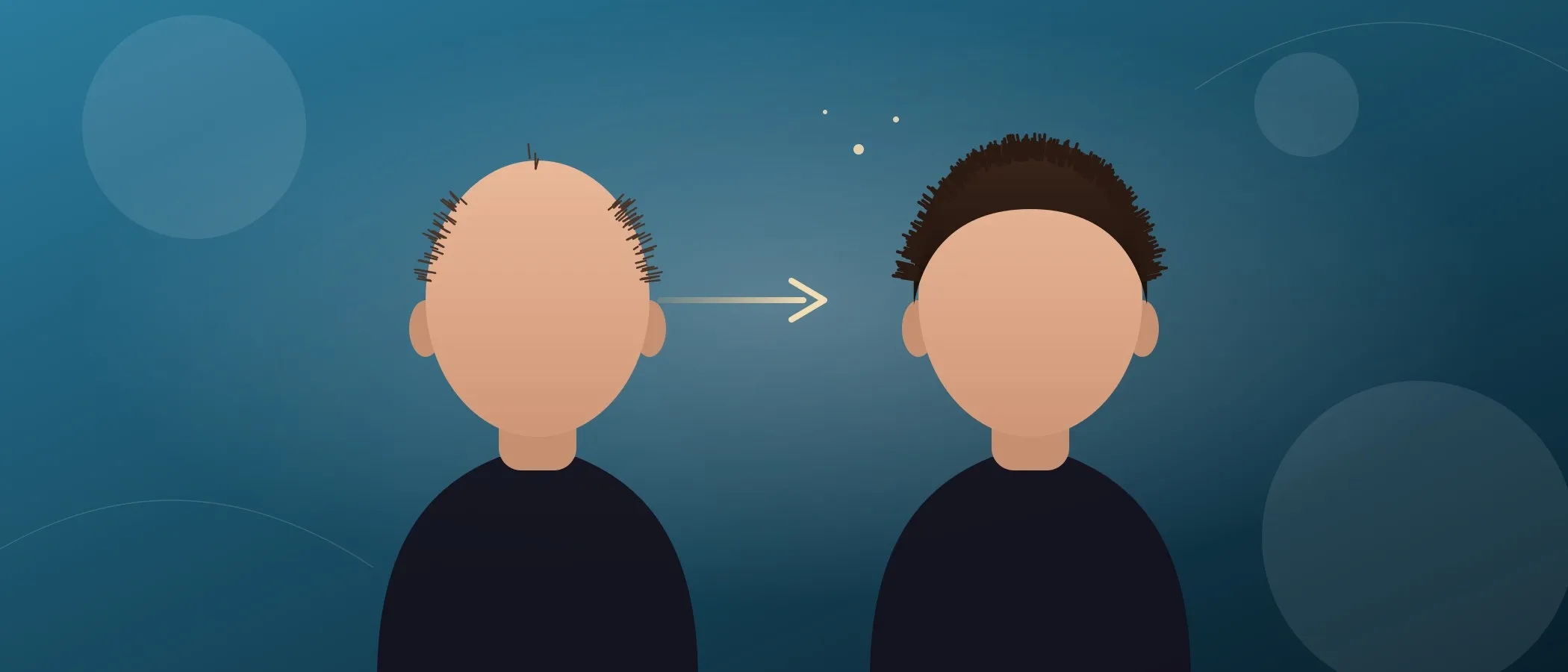
Which tests are usually discussed before a hair transplant: what is known about ferritin, vitamin D and thyroid, and why your surgeon sets the final list.
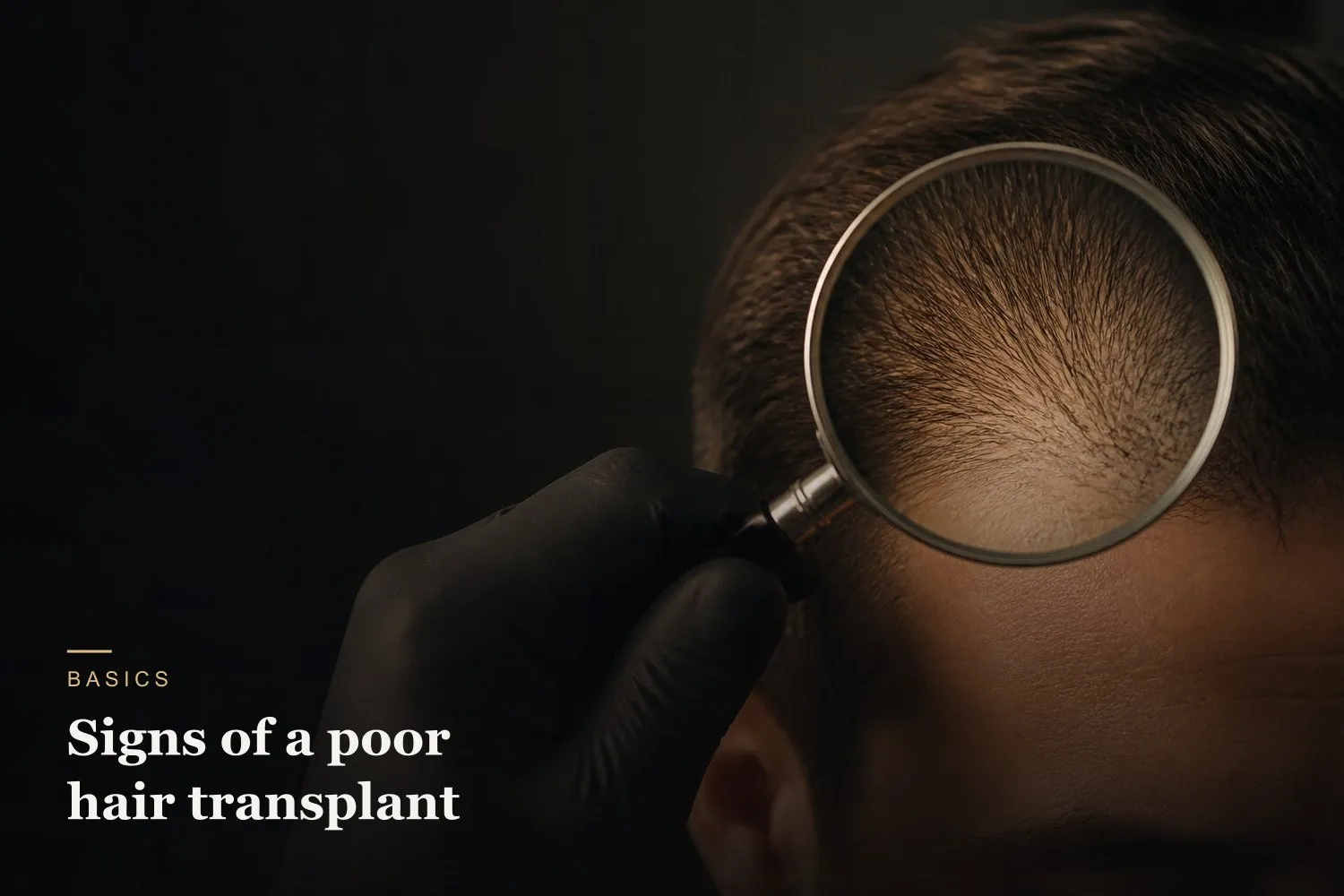
What a failed hair transplant looks like, what can be fixed and what to look at when choosing a clinic: study data and honest questions for the surgeon.

How to look after your scalp after a hair transplant: what is known about early care, folliculitis and infection, and why the regimen is set by your surgeon.
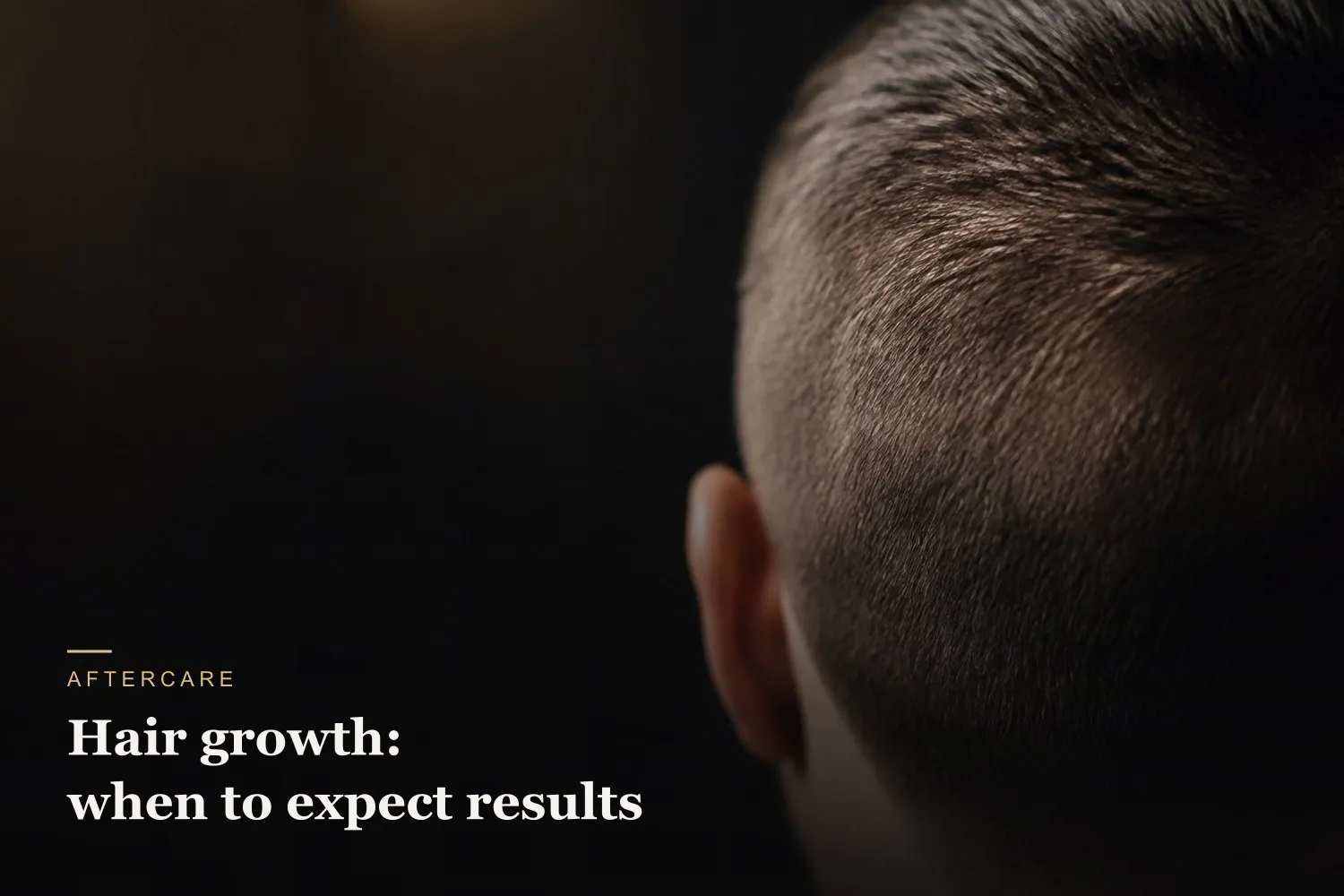
When results appear after a hair transplant: what is known about shedding, graft survival at 9–12 months, and why everyone’s timeline differs.

How to prepare for a hair transplant: what expert consensus says about pre-op treatment, medication, smoking and care, and what to agree with your surgeon.
An honest breakdown: which complications occur after a hair transplant, how often, what they depend on and what lowers the risk.
The biggest fear before a transplant is pain. Where it actually occurs, why injections are the main discomfort and how surgeons make them gentler.

The top questions after surgery: when can I go in the sun, to the gym, out for a drink and to the sauna. What the medical literature says and what it does not.
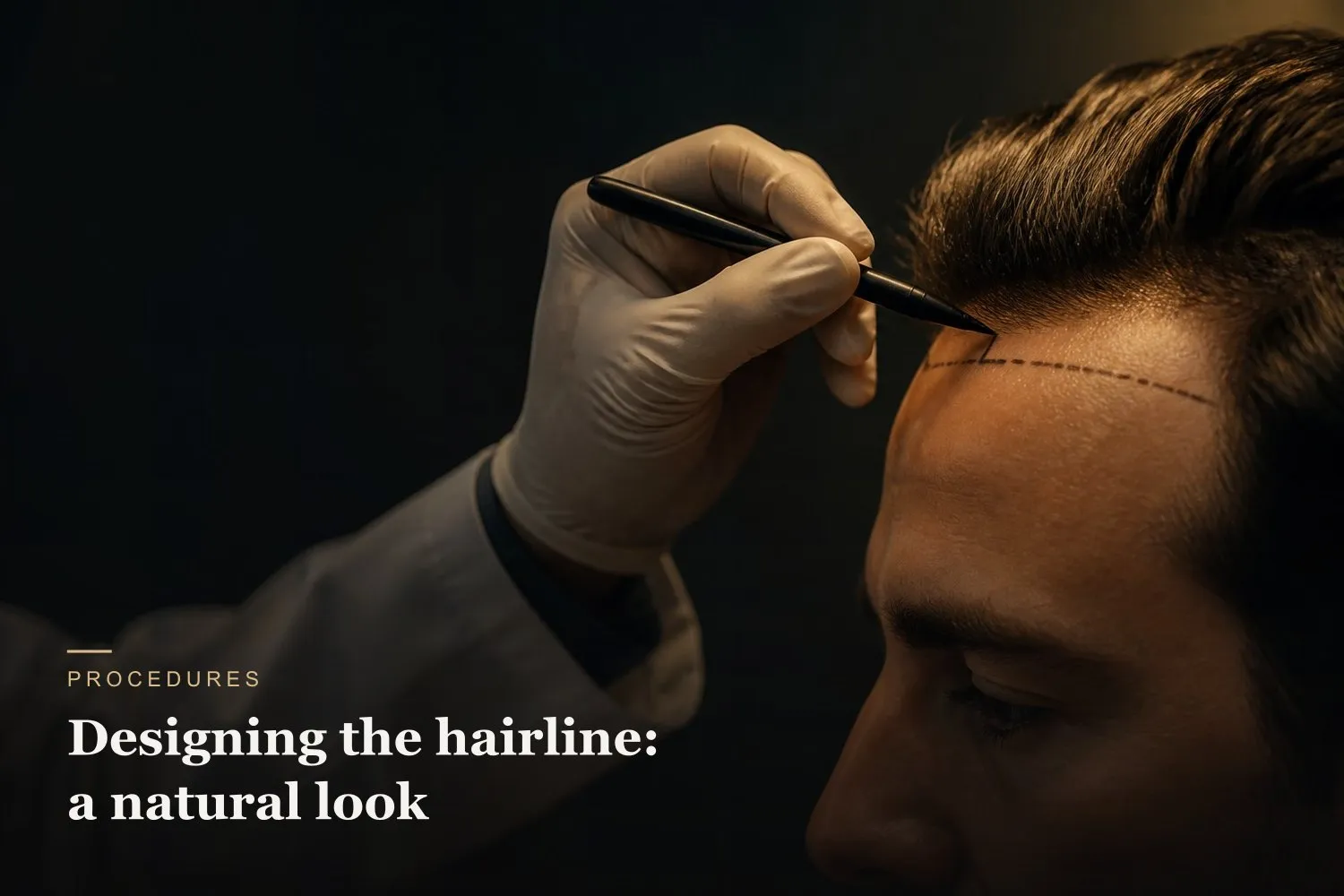
The hairline instantly gives away a transplant or makes it invisible. Design principles, a soft edge, density as a gradient and a reserve for the future.
Hair thins at twenty and you want to fix it at once. Why surgeons do not rush in young patients, what studies show and how to make a sound decision.
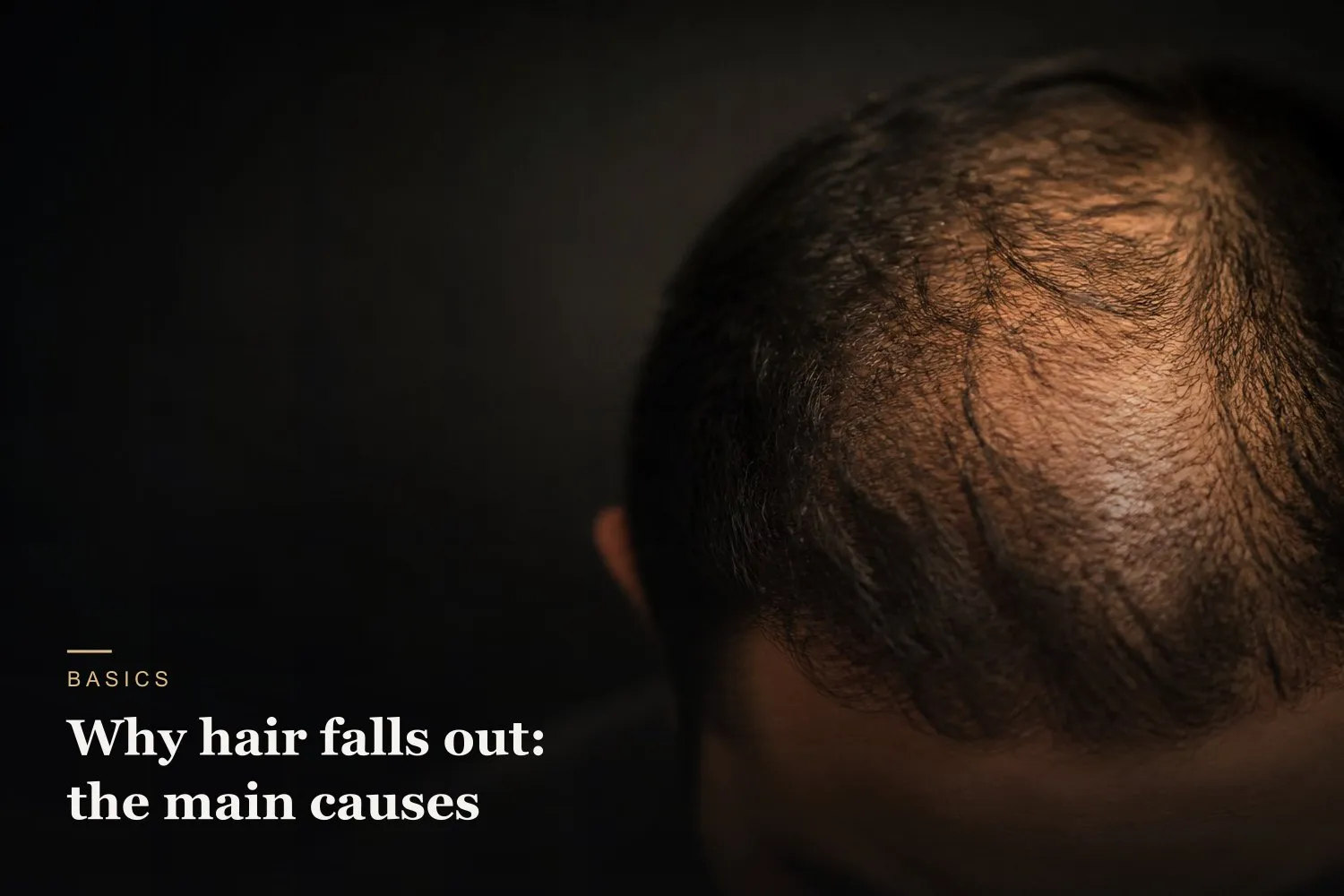
Androgenetic alopecia, stress, focal and scarring loss: how they differ, how they look and why you cannot guess the cause yourself. And why it matters before a transplant.
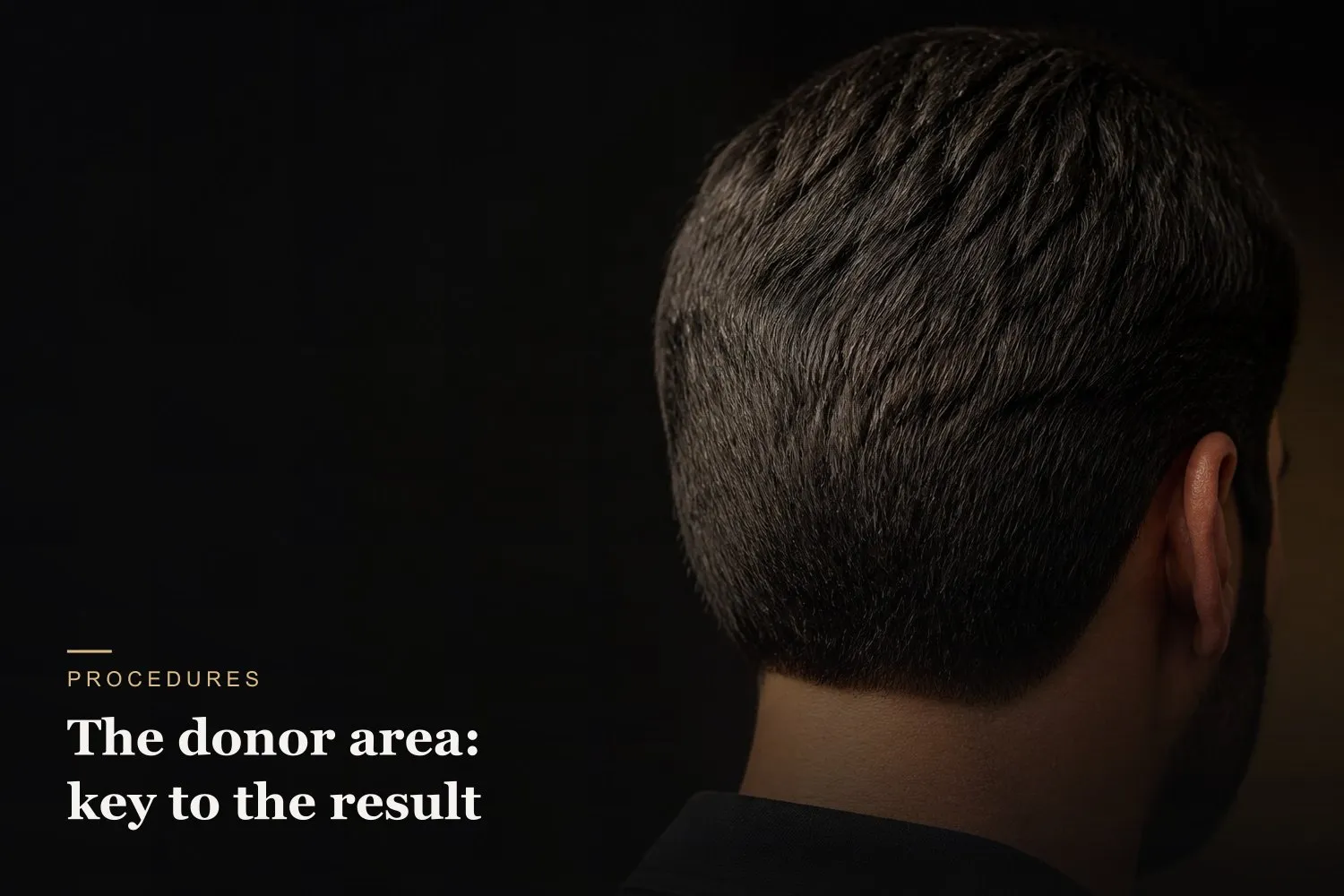
Hair for a transplant comes from the back and sides of the head, and this supply is limited. How the donor area is assessed, what the “permanent zone” is and why the occiput cannot be trusted by default.

Clinics ask you not to smoke before and after surgery. What studies actually show, what they lack and how to prepare if you smoke.
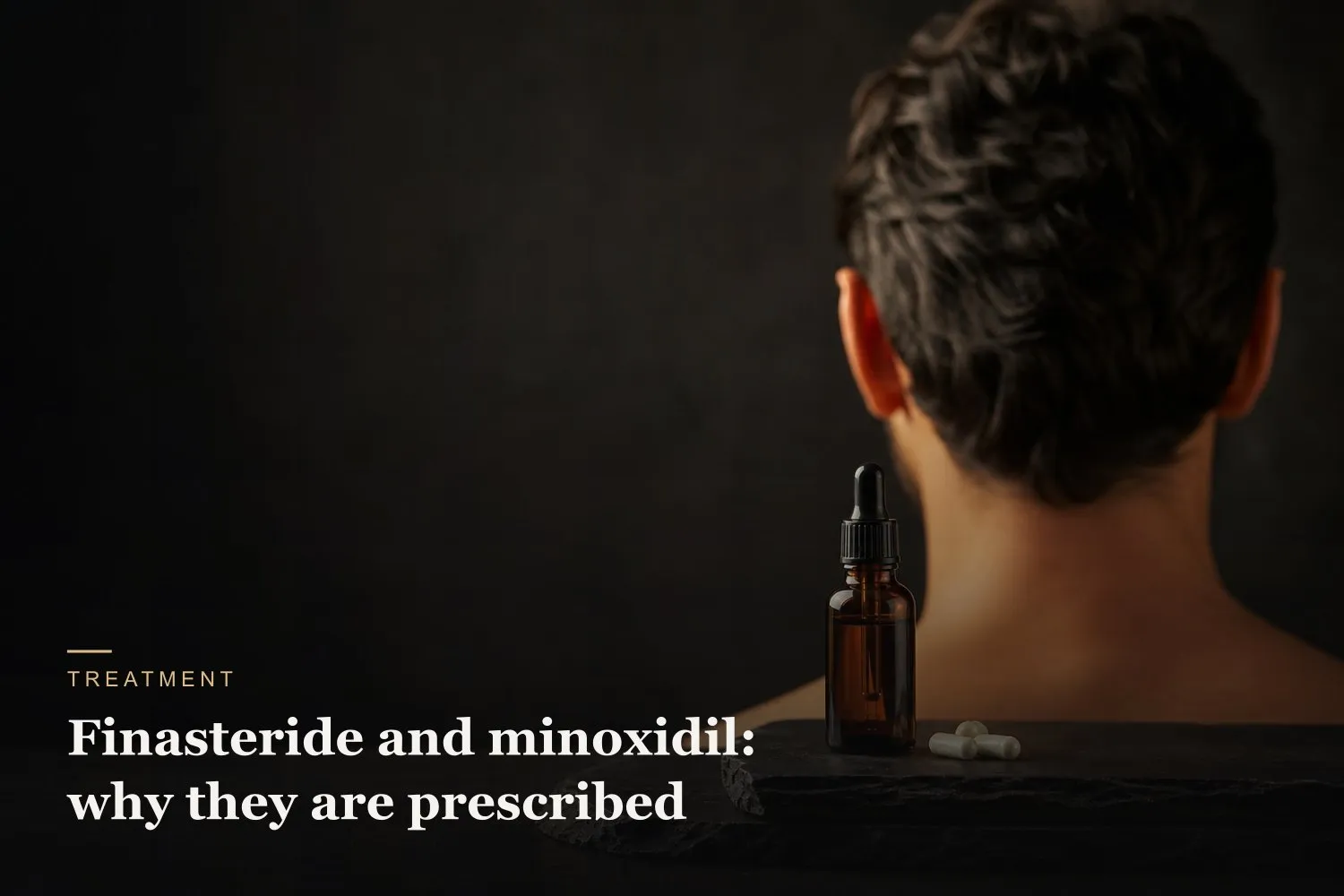
A transplant does not stop your own hair loss. What studies show about finasteride and minoxidil, what effect is real and what risks to discuss with your doctor.
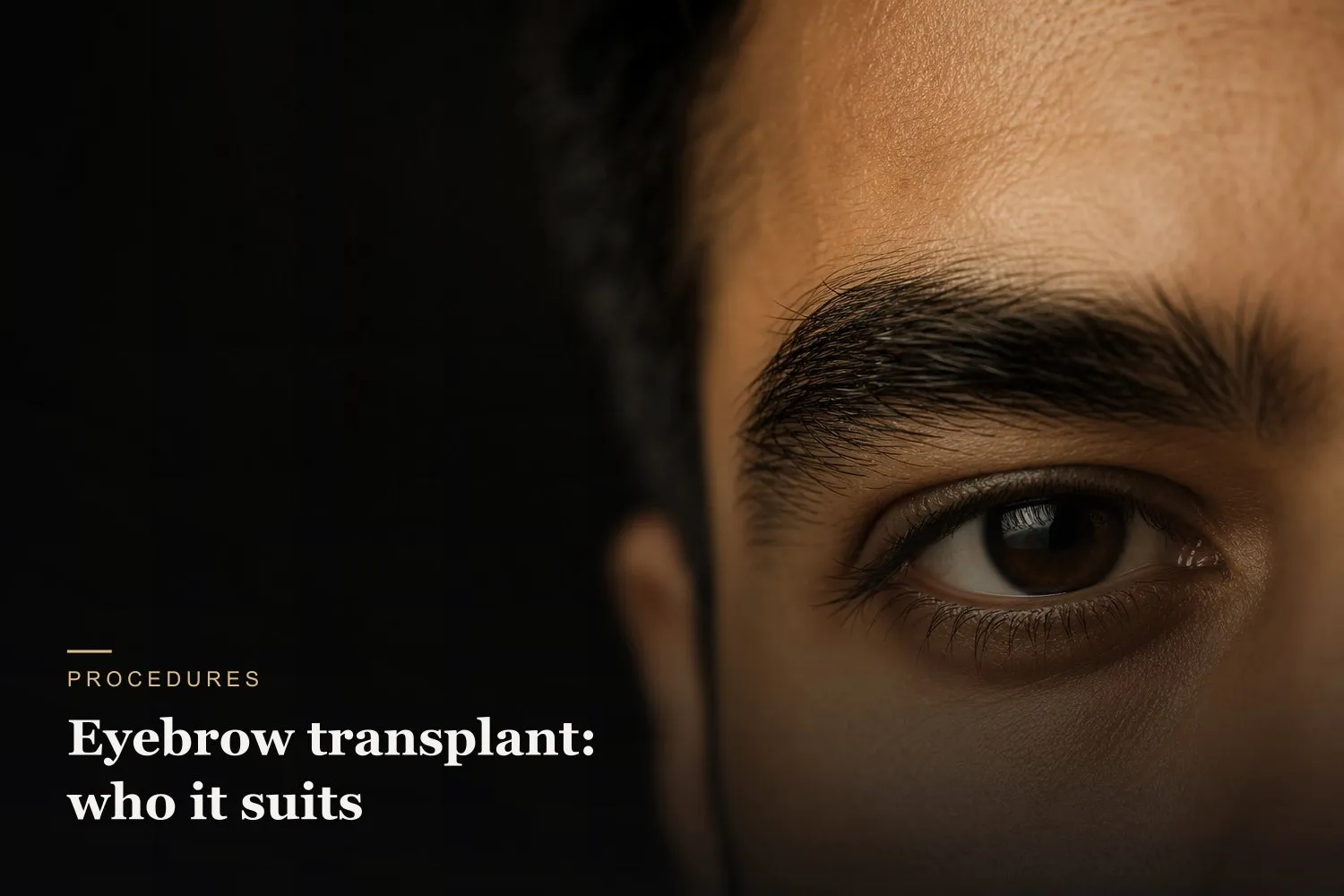
Sparse or lost eyebrows, scars, over-plucking: when a transplant helps. What studies show about hair from behind the ear, scarring and honest expectations.
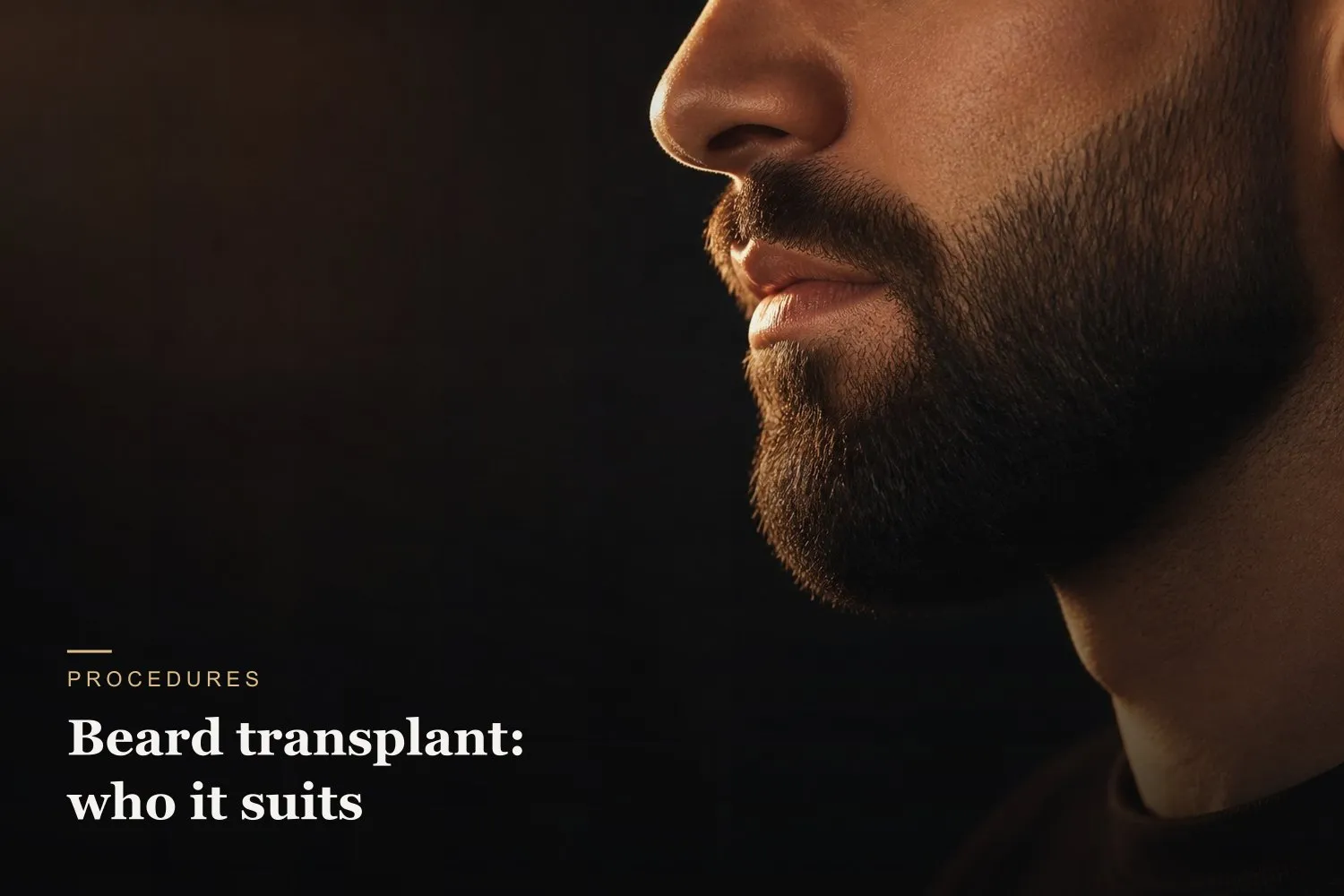
A sparse beard, burn scars, patches on the cheeks — when a transplant helps. How donor hair is assessed and what studies show.
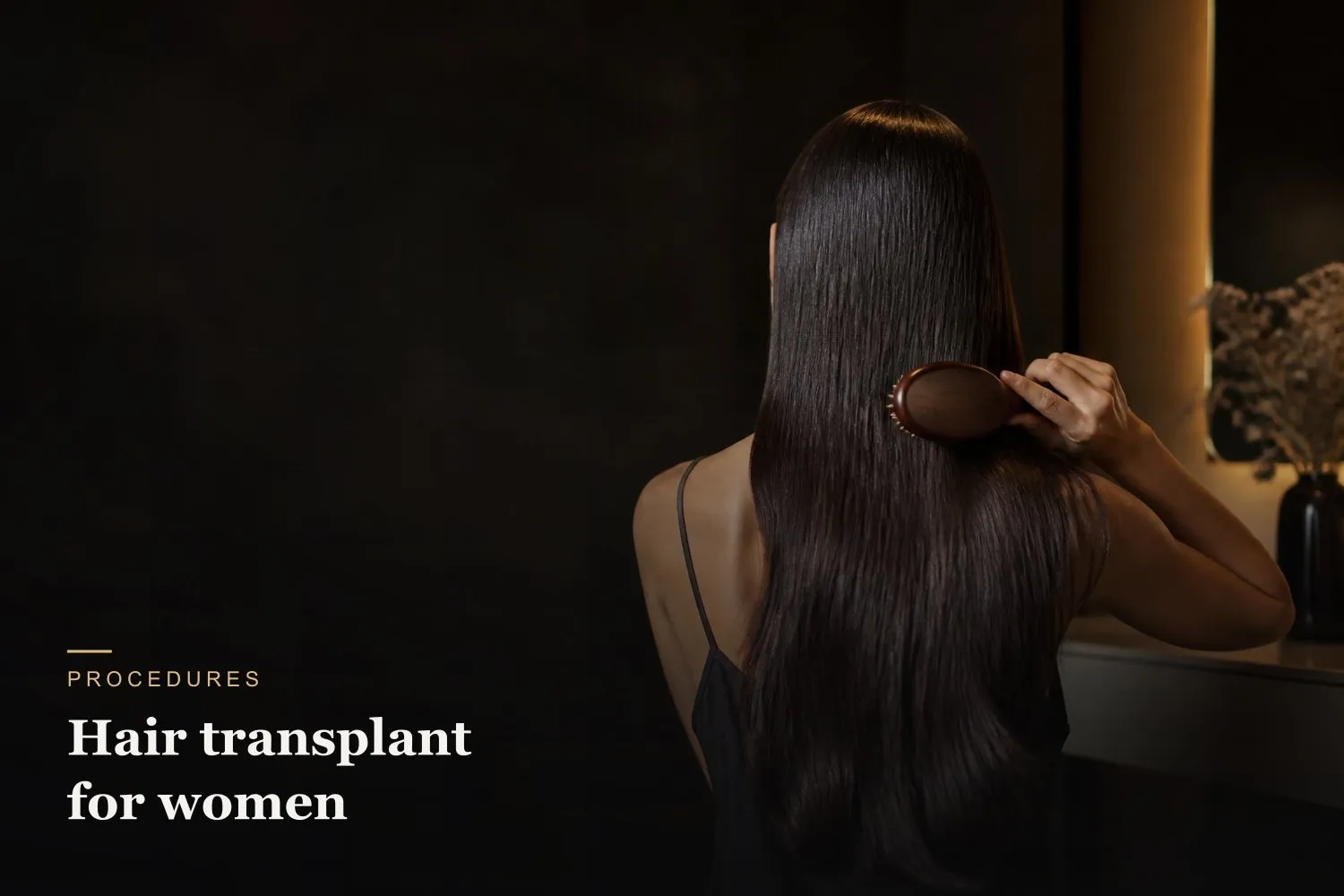
Women’s hair loss is more often diffuse than receding. How that changes the approach: looking for causes, assessing the donor area, treatment and honest expectations.
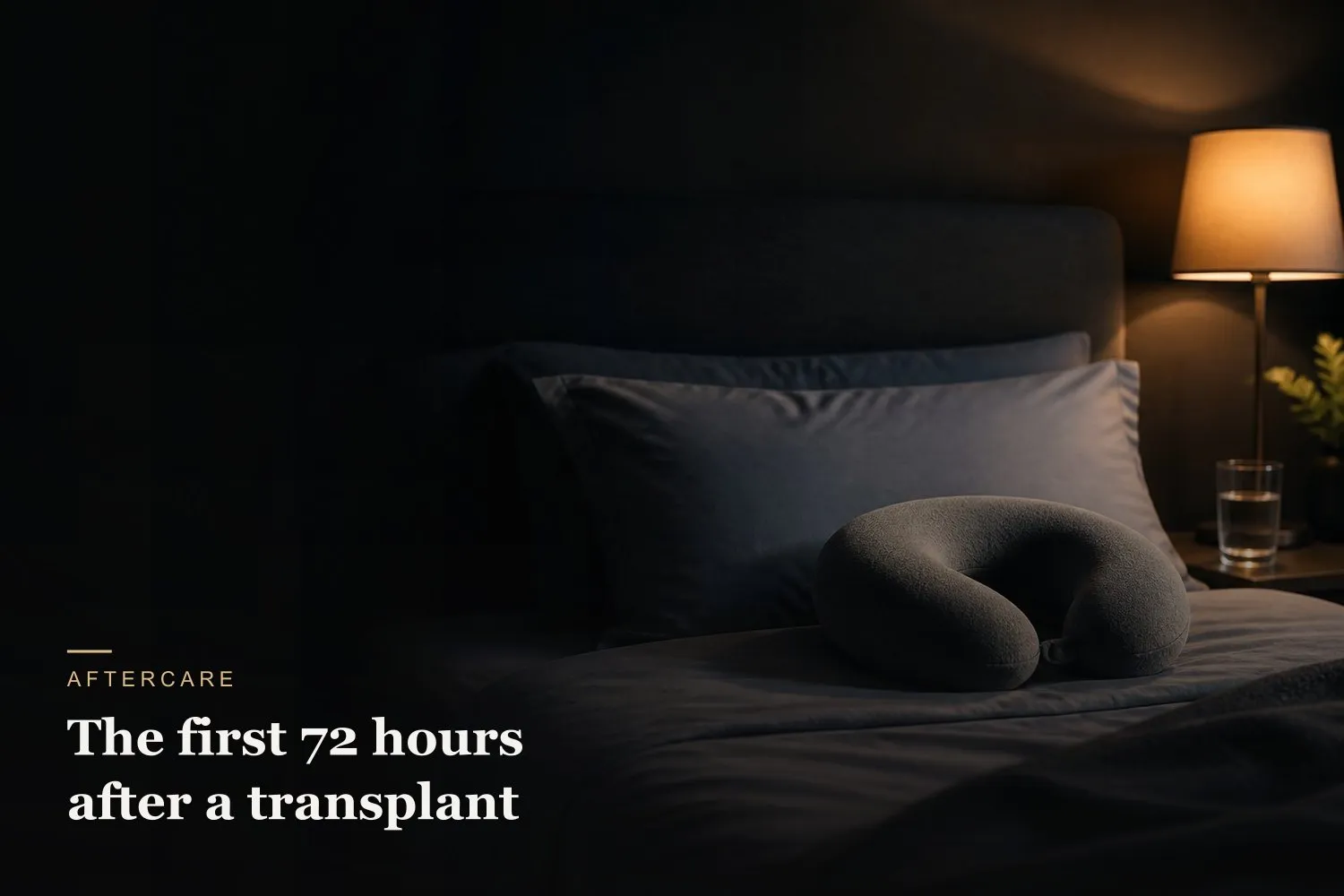
Swelling, scabs, itching and numbness — what counts as usual in the first three days, what was actually recorded in a large series of 2,896 patients and when to message your surgeon.
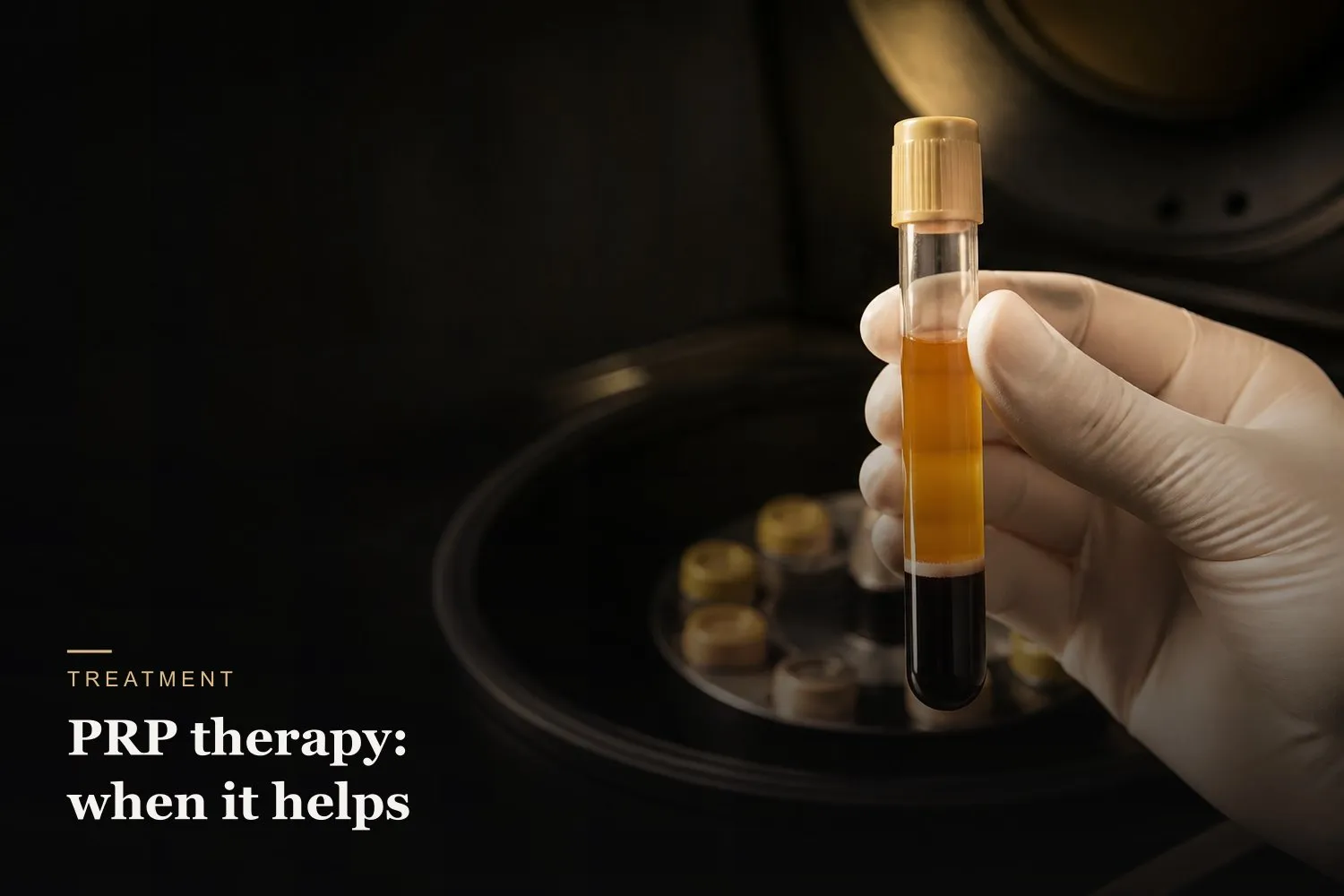
What PRP is, how the procedure goes and what studies actually show: gains in density, comparison with minoxidil and what PRP does not do.
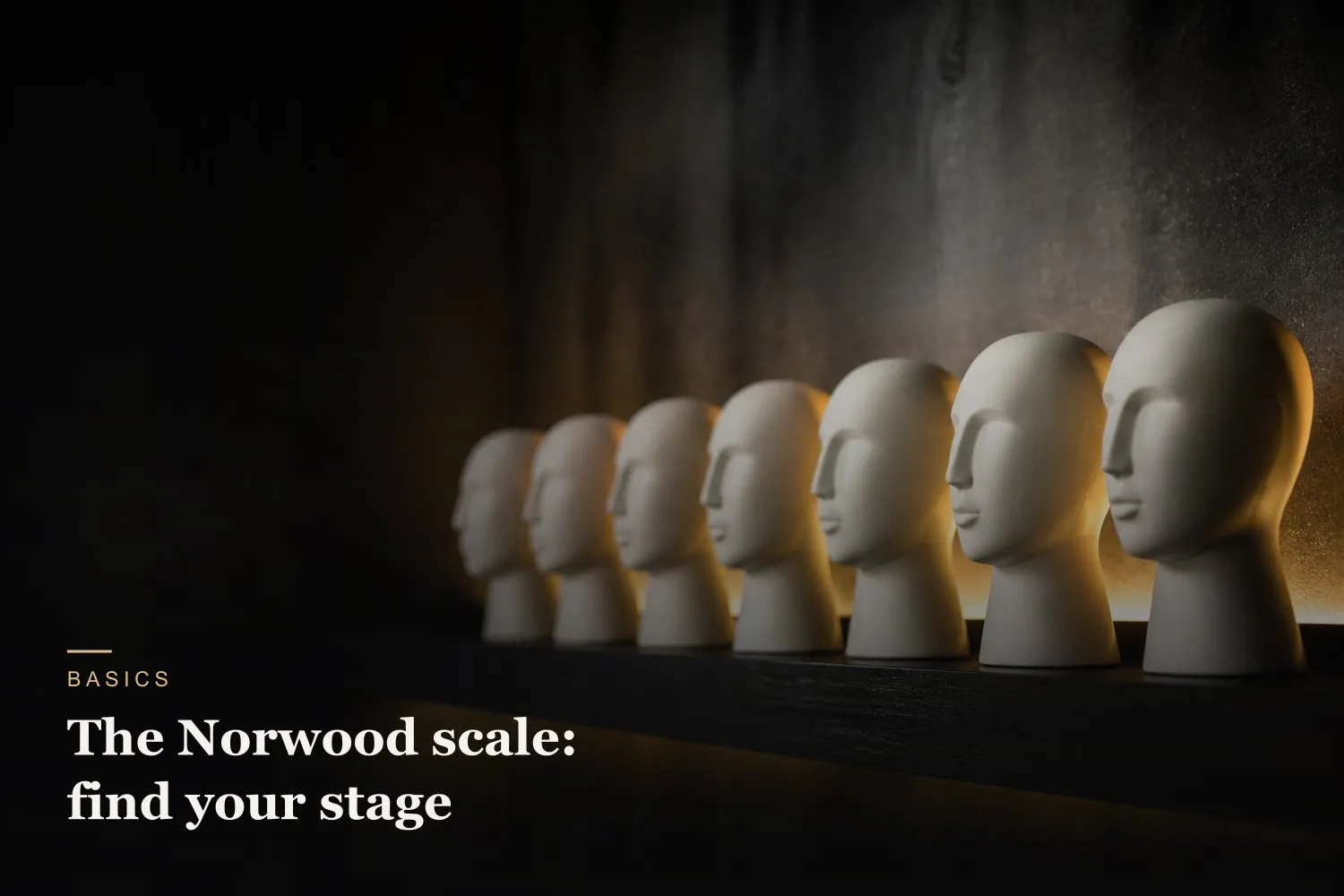
Seven stages from “hardly any change” to merged areas. In plain words: how to photograph your head, find your stage and what the scale will not tell you.
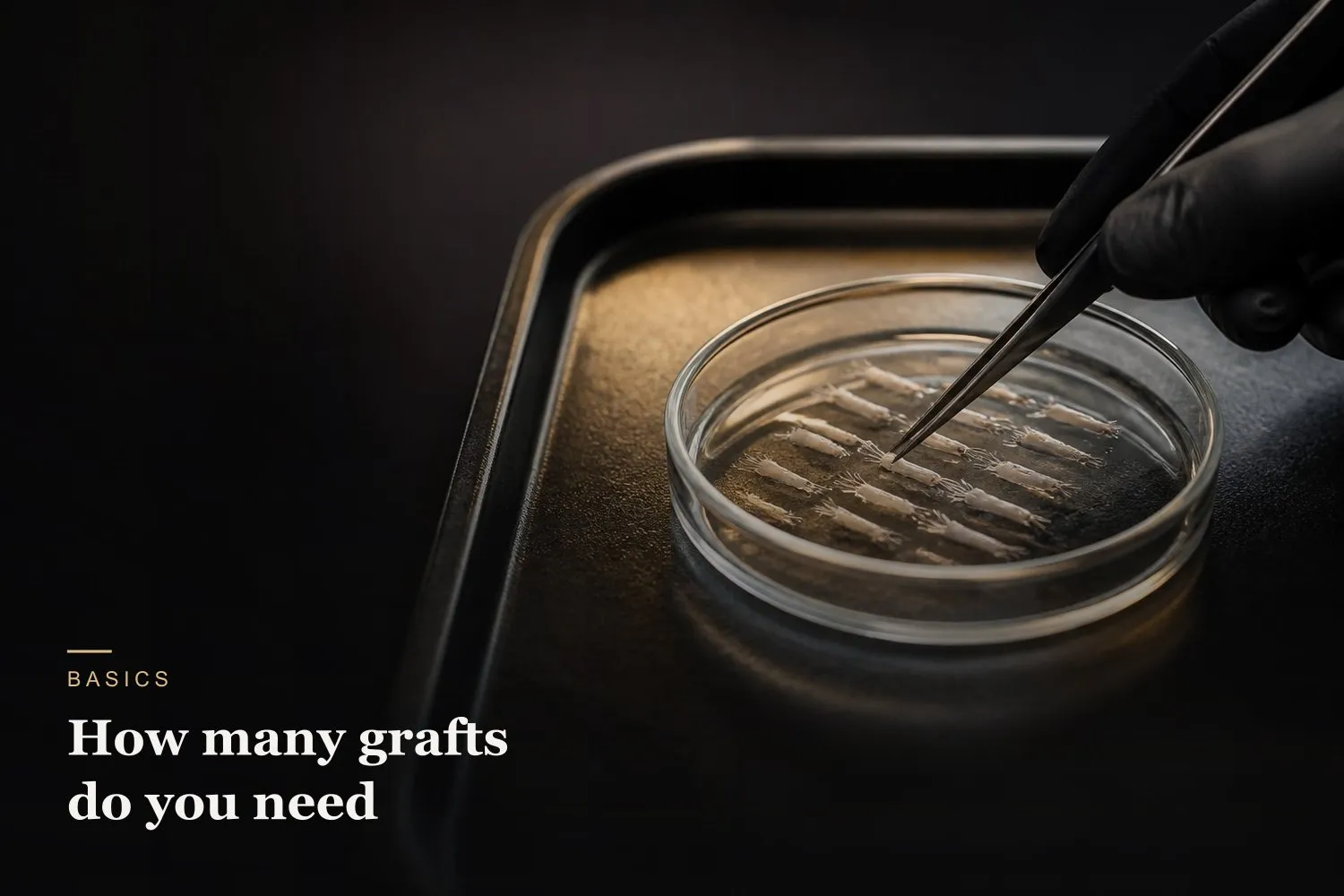
3,000 or 5,000? What a graft is, how a surgeon calculates the number, and why it is limited by the donor supply, not by wishes.
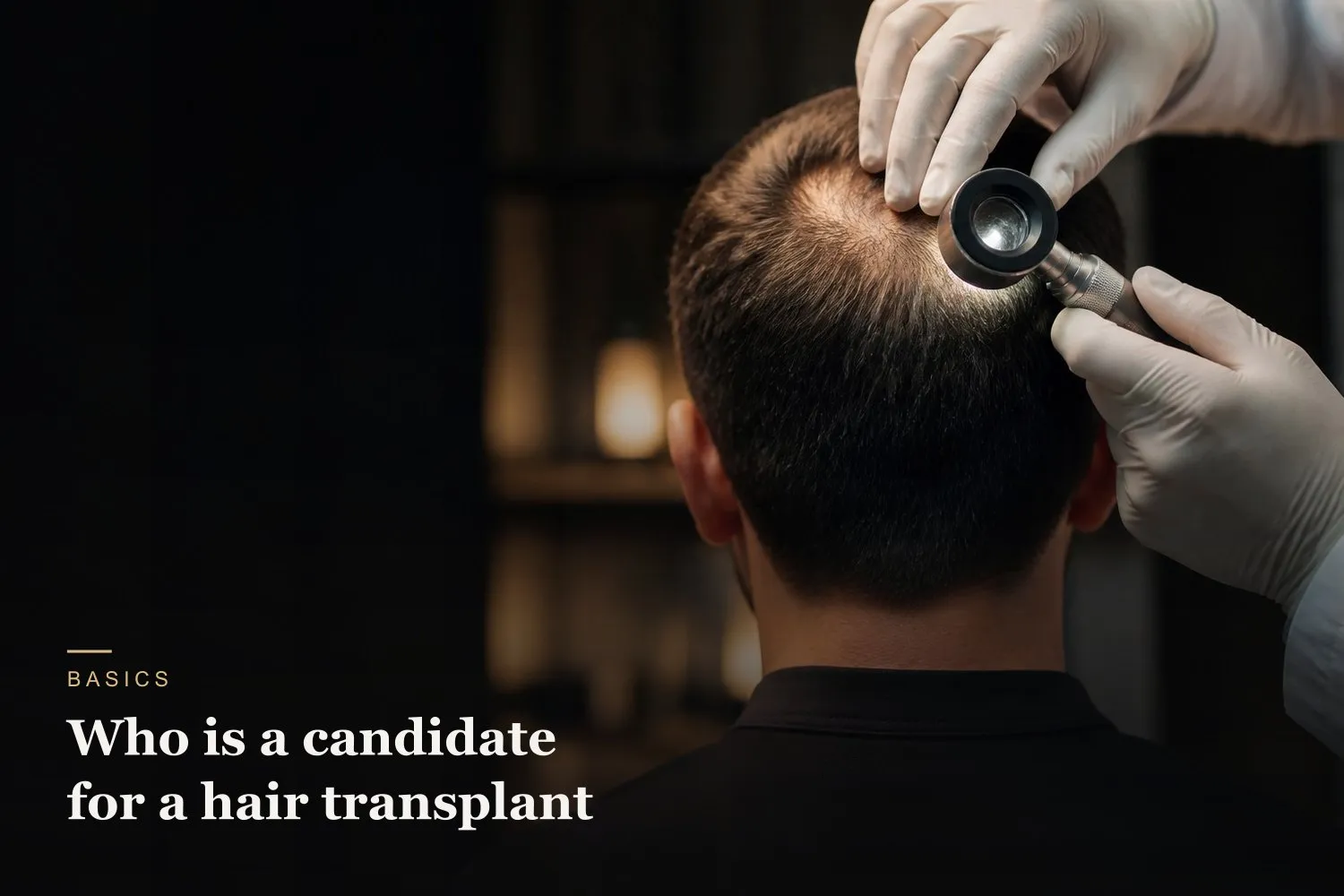
A transplant is not for every cause of hair loss or every head. What a surgeon checks beforehand: the cause of loss, the donor area, health and expectations.
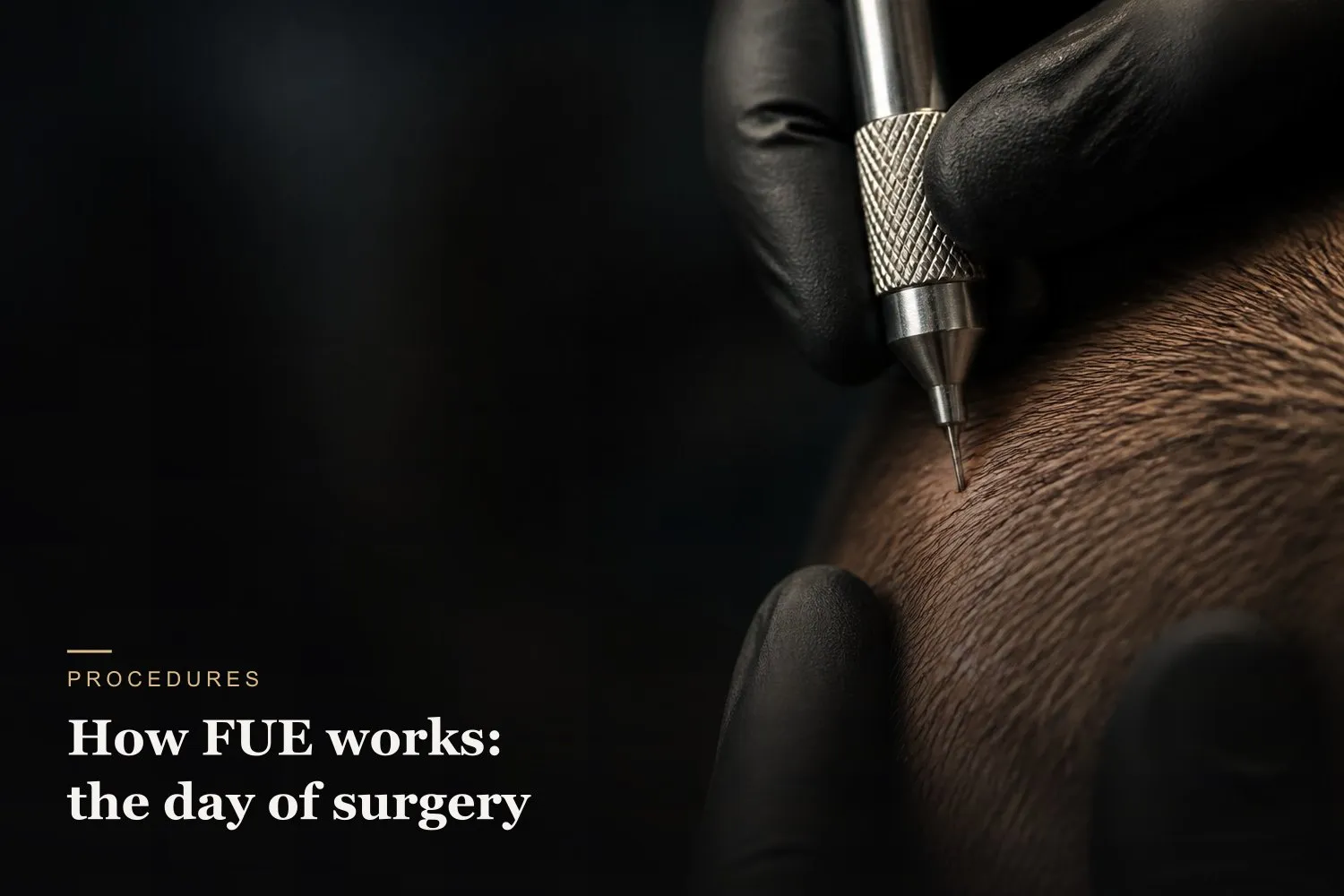
Design, anesthesia, graft harvest, preparation and placement — in plain language, what happens on surgery day and how the patient feels.
Scabs after a transplant frighten almost everyone. Why they must come off, why you must not pick them and what the first wash looks like with your surgeon’s routine.
Clinics sell DHI as a separate technology, yet the harvest in both is FUE. Here is what actually differs, what research says and what to look at when choosing.
Two to four weeks after surgery the transplanted hairs start to shed. Here is what happens to the follicles, when new growth appears and when to message your surgeon.

Registan, Gur-e-Amir, and Shah-i-Zinda are two hours from the clinic by high-speed train. When to go, and why not right after surgery.

The old town is a UNESCO site in its entirety. The Ark fortress, the Kalyan Minaret, trading domes, and a six-hundred-year-old teahouse by a pond.

The city where you'll spend most of your time. Chorsu and Alay bazaars, a metro with palace-like stations, the new Center of Islamic Civilization, and where to eat.

What we handle, what we need from you, how many days to plan for, where you'll stay, and why Uzbekistan requires registration.

Half the price of Turkey for the same method, the doctor operates instead of technicians, no language barrier, and no months-long wait.
Tell us your city and the dates you're considering — we'll sketch a route, a hotel, and how many days to plan for.